

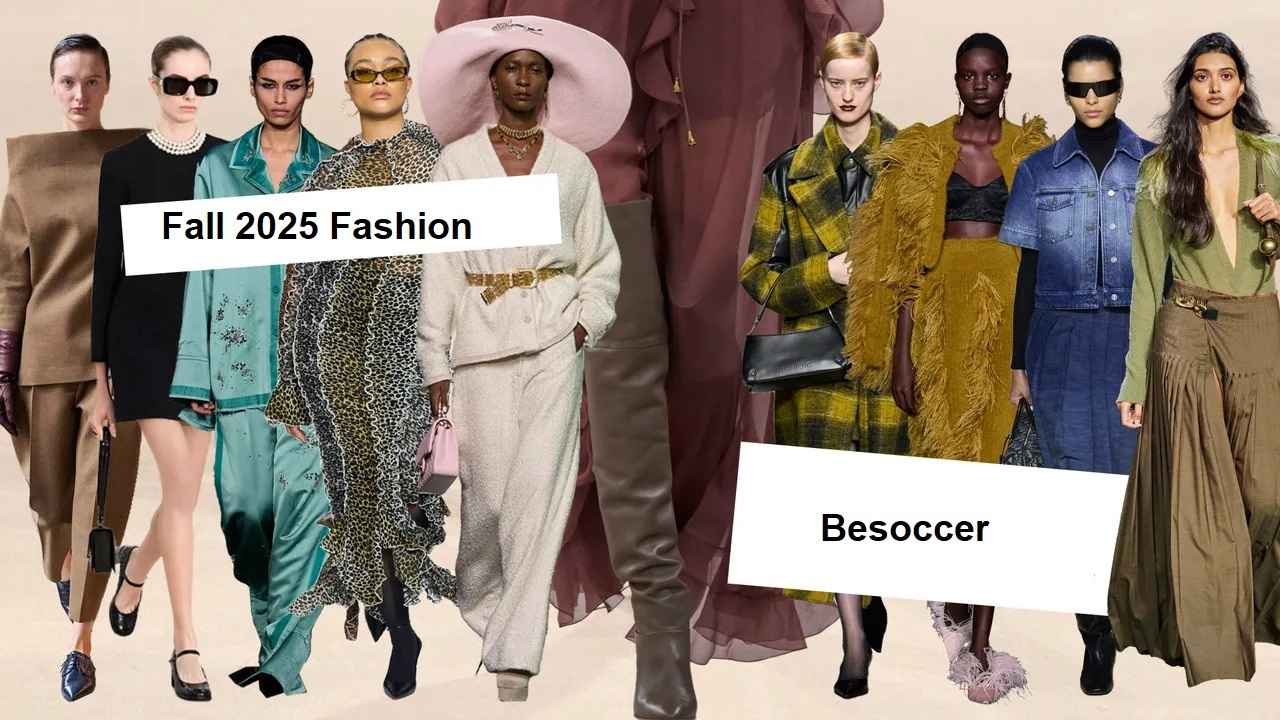
It’s the word that makes some people swoon, others cringe, and a few wonder if their sweatpants count as “trendy.” Spoiler alert: they can, but we’ll get to that. Whether you’re strutting in sneakers or dreaming of a runway gown, fashion is everywhere. It’s the way you tie your scarf, the confidence in your mismatched socks, or the audacity of that one friend who wears sunglasses indoors. From street style’s rebellious edge to high-end couture’s jaw-dropping artistry, fashion is a language we all speak, even if some of us mumble. So, let’s break it down, keep it simple, and have a laugh along the way.
What Even Is Fashion?
At its core, fashion is self-expression. It’s how you tell the world who you are without saying a word. Think of it as your personal billboard, except instead of flashing ads, you’re broadcasting you. Fashion spans from the ripped jeans you wore to that concert to the custom-made gown that costs more than a car. It’s not just clothes—it’s accessories, hairstyles, and even the way you carry yourself. Fashion is the art of saying, “This is me, and I’m owning it.”
But let’s not get too serious. Fashion can also be that moment when you realize your “vintage” jacket is just your dad’s old windbreaker from 1992. True story: I once saw someone rock a fanny pack so confidently at a coffee shop that I questioned my entire wardrobe. That’s the magic of fashion—it’s accessible, evolving, and occasionally hilarious.
Street Style: The Cool Kid on the Block
Let’s start with street style, the rebellious, free-spirited cousin of fashion. Born on city sidewalks, street style is all about breaking rules and making statements. Think oversized hoodies, chunky sneakers, and baseball caps tilted just so. It’s what you see on Instagram when influencers pose in front of graffiti walls, looking effortlessly cool while you’re still trying to figure out how to tie a bandana without looking like a pirate.
Street style pulls from subcultures like hip-hop, skate, and punk. It’s democratic—anyone can participate. You don’t need a fat wallet, just creativity. Thrift stores, vintage shops, and even your grandma’s closet are goldmines for street style. Mix a thrifted denim jacket with neon leggings and some retro sunglasses, and boom—you’re a trendsetter. The beauty of street style is its accessibility. You’re not chasing perfection; you’re chasing vibe.
But here’s the funny part: street style loves to borrow from the past. Bell-bottoms? Back. Bucket hats? Back. Fanny packs? Oh, they’re back, baby. It’s like fashion’s playing a prank on us, whispering, “Bet you didn’t think you’d wear your mom’s wardrobe again.” And yet, we do, and we love it.
Street style also influences the big dogs. High-end designers like Balenciaga and Gucci have been caught sneaking peeks at streetwear trends, turning sneakers and hoodies into runway stars. According to Vogue, street style’s impact on luxury fashion is undeniable, with designers blending casual vibes with high-end materials. It’s like the fashion world’s version of a plot twist.
Fast Fashion: The Quick and Tricky Middle Child
Next up is fast fashion, the middle child who’s always in a rush. Brands like Zara, H&M, and Shein churn out trendy clothes faster than you can say “add to cart.” Fast fashion takes cues from runways and street style, then mass-produces them at wallet-friendly prices. That dress you saw on a celebrity last week? There’s a knockoff in stores by Friday.
Fast fashion’s appeal is obvious: it’s affordable and fast. You can walk into a store and walk out looking like you just stepped off a Pinterest board. But there’s a catch (because there’s always a catch). Fast fashion’s speed comes at a cost—cheap materials, questionable labor practices, and a mountain of waste. Those $10 jeans might fall apart after three washes, and the environmental impact? Yikes. It’s like buying a milkshake only to realize it’s mostly whipped cream.
Still, fast fashion has its place. It’s a gateway for people who want to experiment without breaking the bank. Just maybe don’t build your whole wardrobe on it, unless you want your closet to look like a clearance rack in two months. Pro tip: mix fast fashion with timeless pieces to keep things sustainable and stylish.
Ready-to-Wear: The Practical Sibling
Now, let’s talk about ready-to-wear (or prêt-à-porter, if you’re feeling fancy). This is the practical sibling who’s got it together. Unlike fast fashion’s frenetic pace, ready-to-wear offers higher quality and more thought-out designs, but it’s still mass-produced. Think brands like J.Crew, Banana Republic, or even mid-tier designers like Michael Kors.
Ready-to-wear sits comfortably between fast fashion and couture. It’s what you wear to a job interview or a nice dinner when you want to look polished without looking like you’re trying too hard. These clothes are designed to last longer than a season, with better fabrics and craftsmanship. You’re paying for quality, but you’re not selling your kidney to afford it.
The humor here? Ready-to-wear is like the Goldilocks of fashion—not too cheap, not too pricey, just right. But sometimes, you’ll still catch yourself staring at a $200 sweater, wondering if it’s woven with unicorn tears to justify the price. Spoiler: it’s not.
High-End Couture: The Diva of Fashion
And now, we arrive at high-end couture, the diva who steals the show. Couture is fashion’s equivalent of a Michelin-starred meal—exquisite, exclusive, and oh so expensive. These are one-of-a-kind pieces, handcrafted with insane attention to detail. Think gowns with 10,000 hand-sewn beads or suits tailored to fit like a second skin. Designers like Chanel, Dior, and Valentino are the rock stars of this world.
Couture is not just clothing; it’s art. Every piece is made to order for a specific client, often taking hundreds of hours to complete. According to Harper’s Bazaar, a single couture dress can cost as much as a luxury car. Why? Because you’re paying for the craftsmanship, the materials (think silk flown in from Italy), and the bragging rights.
Here’s where it gets funny: couture is so exclusive that most of us will only see it on red carpets or in magazines. It’s like window-shopping for a private jet—fun to dream about, but not exactly in the budget. Still, couture sets the tone for the fashion world. Those wild runway looks? They trickle down to influence ready-to-wear and even fast fashion. That avant-garde dress with feathers might inspire a high-street jacket with a funky collar. Fashion’s a game of telephone, and couture’s shouting the first message.
How These Worlds Collide
Here’s the cool part: street style, fast fashion, ready-to-wear, and couture aren’t separate planets. They’re more like neighbors who borrow each other’s sugar. Street style inspires couture, couture influences ready-to-wear, ready-to-wear gets copied by fast fashion, and fast fashion makes trends accessible to everyone. It’s a cycle, like a really stylish food chain.
Take athleisure, for example. It started as a street style trend—think yoga pants and sneakers as everyday wear. Then, high-end designers like Stella McCartney jumped in, creating luxe leggings. Fast fashion followed, churning out $20 versions, and suddenly, everyone’s wearing athleisure to brunch. Fashion is a team sport, and everyone’s passing the ball.
Why Fashion Matters
You might be thinking, “Okay, but why should I care about fashion?” Fair question. Fashion isn’t just about looking good (though that’s a nice bonus). It’s about identity, culture, and even history. The clothes you wear can tell a story—whether it’s your love for 90s grunge, your eco-conscious values, or your obsession with sparkly things. Fashion reflects society’s mood, from the rebellious 60s miniskirts to the minimalist 90s slip dresses.
Plus, fashion’s fun. It’s a playground where you can experiment, take risks, and laugh at yourself when you accidentally dress like a disco ball. (Been there, done that.) Whether you’re rocking street style’s bold swagger or dreaming of a couture moment, fashion lets you play.
Tips to Find Your Fashion Vibe
So, how do you navigate this wild world of fashion? Here are a few tips, no PhD in style required:
-
Start with what you love: Ignore trends if they don’t feel like you. Love bright colors? Wear them. Obsessed with vintage? Raid those thrift stores.
-
Mix and match: Pair a fast-fashion top with a ready-to-wear blazer or street-style sneakers. Fashion’s not about rules; it’s about creativity.
-
Invest in staples: A good pair of jeans, a classic coat, or a versatile dress can carry you far. Save the trendy stuff for small doses.
-
Have fun: Fashion’s not life-or-death. If you wear something weird and it flops, laugh it off. Life’s too short for boring outfits.
Fashion’s Your Playground
From street style’s gritty charm to high-end couture’s dreamy extravagance, fashion is a spectrum, and there’s a spot for everyone. Whether you’re thrifting for vintage gems, snagging a fast-fashion deal, or drooling over a Dior gown, you’re part of the fashion story. So, go ahead—wear those mismatched socks, rock that fanny pack, and maybe even try sunglasses indoors. Fashion’s not about perfection; it’s about you. And if all else fails, just remember: nothing says “I’m fabulous” like confidence… and maybe a really good pair of jeans.