
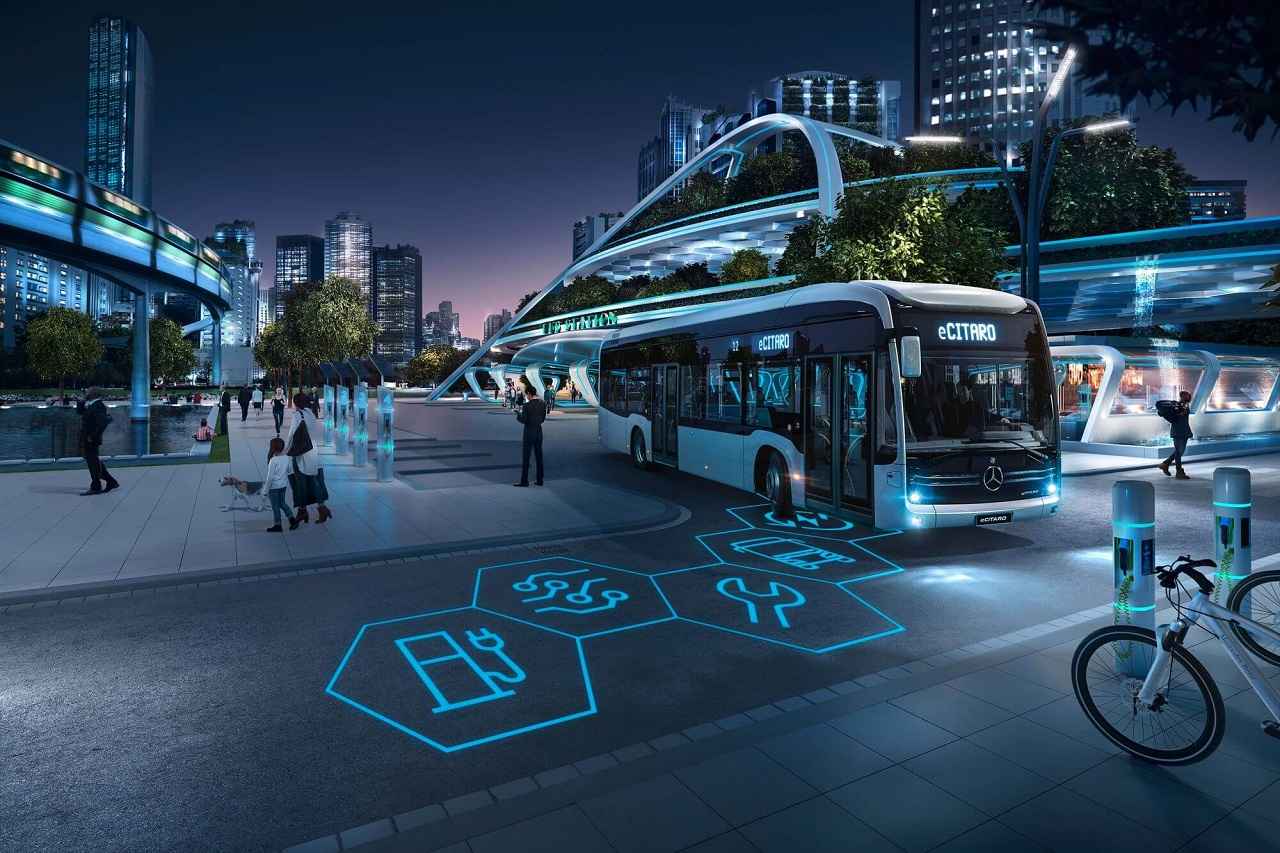
Imagine a world where your morning commute feels less like a battle with traffic and more like a sci-fi adventure. No honking horns, no smog-choked highways, just sleek, silent vehicles zipping along while you sip your coffee and scroll through your phone. This isn’t a far-off dream—it’s the future of transportation, and it’s sustainable, smart, and connected. Buckle up (or maybe not, because who needs seatbelts in self-driving cars?) as we dive into what’s coming down the road.
Transportation is getting a major glow-up, and it’s not just about shiny new gadgets. The goal is to move people and goods in ways that are kinder to the planet, smarter for our brains, and connected like your group chat on a Friday night. Let’s break it down into three big ideas: sustainability, intelligence, and connectivity. Oh, and I’ll throw in a few laughs to keep things light—because if we’re talking about the future, we might as well have fun getting there.
Sustainable Transportation: Saving the Planet, One Ride at a Time
Let’s start with the green stuff. The world’s been coughing up too much carbon, and transportation is a big culprit. Cars, trucks, and planes account for a huge chunk of global emissions—about 29% of U.S. greenhouse gas emissions, to be exact. The future of transportation is all about cutting that number down while still getting us from point A to point B.
Electric Vehicles: No Gas, No Problem
Electric vehicles (EVs) are the rock stars of sustainable transport. They run on batteries, not fossil fuels, which means zero tailpipe emissions. Companies like Tesla, Rivian, and even traditional automakers like Ford are pumping out EVs faster than you can say “charge it.” By 2030, experts predict that EVs could make up 60% of new car sales globally. That’s huge! Plus, charging stations are popping up everywhere, so you won’t be stranded with a dead battery in the middle of nowhere—unless your GPS is as bad as mine.
But EVs aren’t perfect. Mining the materials for batteries can be messy, and we need cleaner energy grids to power them. The good news? Solar and wind energy are getting cheaper, so charging your car could soon be as green as your kale smoothie.
Hydrogen Power: The Underdog with Big Dreams
Then there’s hydrogen fuel cell vehicles, which are like EVs’ quirky cousin. They run on hydrogen gas, producing only water as a byproduct. Sounds like magic, right? Toyota and Hyundai are betting big on hydrogen, especially for heavy vehicles like trucks and buses. The catch? Hydrogen stations are rarer than a good parking spot at the mall. But as infrastructure grows, hydrogen could be a game-changer.
Public Transit Gets a Green Makeover
Don’t sleep on public transportation. Electric buses, light rail, and even electric ferries are making cities cleaner. Places like Shenzhen, China, already have entire bus fleets running on electricity. Imagine hopping on a bus that’s quieter than your neighbor’s yoga class and doesn’t smell like diesel. That’s the dream.
And here’s a funny thought: if we all switch to electric buses, the only thing polluting the air will be your uncle’s bad jokes at the family reunion.
Smart Transportation: Brains Over Brawn
Now, let’s talk about smart transportation. This isn’t just about vehicles that drive themselves (though that’s a big part). It’s about systems that think, adapt, and make your life easier. The future is all about using technology to outsmart traffic jams, accidents, and that guy who cuts you off in the left lane.
Autonomous Vehicles: Your Personal Chauffeur
Self-driving cars are the poster child of smart transportation. Companies like Waymo and Cruise are testing autonomous vehicles that use cameras, radar, and AI to navigate roads without human input. Picture this: you’re in a self-driving car, eating a burrito, while the car handles rush hour like a pro. No stress, no road rage, just you and your guac.
But it’s not all smooth sailing. Autonomous cars still need to get better at handling weird situations—like a deer crossing the road or a rogue shopping cart. Plus, there’s the question of who’s to blame if a self-driving car crashes. The car? The programmer? The burrito? We’ll figure it out.
Smart Traffic Systems: No More Red-Light Blues
Smart cities are using AI to make traffic flow like a well-choreographed dance. Sensors and cameras at intersections can adjust traffic lights in real time to reduce congestion. In Singapore, smart traffic systems have cut commuting times by up to 15%. That’s 15% more time to binge your favorite show instead of staring at a red light.
Ride-Sharing and Micromobility: Small Rides, Big Impact
Ride-sharing apps like Uber and Lyft are evolving with smarter algorithms to match riders and reduce empty trips. Meanwhile, micromobility—think e-scooters, e-bikes, and those hoverboards that don’t actually hover—is taking over short trips. Cities are building dedicated lanes for these zippy options, making it easier to ditch your car for a quick ride to the coffee shop.
Connected Transportation: Talking Cars and Chatty Roads
The future of transportation isn’t just sustainable and smart—it’s connected. Vehicles, roads, and even pedestrians will talk to each other like they’re in a group text. This is where things get really cool (and a little futuristic).
Vehicle-to-Everything (V2X): The Ultimate Chat Network
Vehicle-to-everything (V2X) communication lets cars talk to other cars, traffic lights, and even your smartwatch. Imagine your car getting a heads-up about a traffic jam five miles ahead and suggesting a detour before you even notice the brake lights. Or a pedestrian’s phone alerting nearby cars to slow down as they cross the street. V2X is like giving every vehicle a superpower: the ability to see the future.
Hyperloops: Tubes, Tunes, and Zoom
Ever heard of a hyperloop? It’s like a train, but faster, sleeker, and stuck in a vacuum tube. Companies like Virgin Hyperloop are working on pods that could zip you from Los Angeles to San Francisco in 30 minutes. That’s faster than you can decide what to watch on Netflix. Hyperloops could connect cities, reduce air travel, and make long-distance commutes feel like a quick nap. Sure, they’re still in the testing phase, but who doesn’t want to travel at 700 mph while listening to their favorite playlist?
Drones and Flying Taxis: The Sky’s the Limit
If hyperloops sound wild, wait until you hear about flying taxis. Companies like Joby Aviation are developing electric vertical takeoff and landing (eVTOL) aircraft that could shuttle you across town without touching a road. Picture hailing an Uber that picks you up on your roof and drops you off at work. It’s like The Jetsons, but with better Wi-Fi. Drones are also stepping up for deliveries, dropping off your pizza before it gets cold.
And here’s a chuckle: if flying taxis become a thing, the only traffic jam you’ll face is a flock of confused pigeons.
Challenges: It’s Not All Smooth Roads Ahead
The future sounds amazing, but there are bumps to navigate. Infrastructure upgrades—like more EV chargers or hyperloop tubes—cost billions and take years. Privacy is another concern; connected vehicles generate tons of data, and nobody wants their car snitching on their late-night taco runs. Plus, not everyone can afford a shiny new EV or a flying taxi ride, so we need solutions that work for everyone, not just the tech elite.
Then there’s the human factor. People love their cars, and convincing them to share rides or hop on a hyperloop might be tougher than teaching a cat to fetch. But with the right policies, incentives, and maybe a few catchy ad campaigns, we can get there.
The Road Ahead: A Brighter, Cleaner, Smarter Future
The future of transportation isn’t just about getting from point A to point B—it’s about doing it in a way that’s good for the planet, easy on the brain, and connected like never before. Electric vehicles, autonomous cars, hyperloops, and flying taxis are just the start. With smart systems and connected tech, we’re building a world where transportation is efficient, eco-friendly, and maybe even a little fun.
So, the next time you’re stuck in traffic, daydream about a world where your car drives itself, your bus runs on sunlight, or your commute involves a quick zip through a hyperloop. The future is coming, and it’s bringing some serious horsepower—without the horse or the gas. And if all else fails, at least we’ll have flying taxis to escape the pigeons.